SWIFTLET TYPES
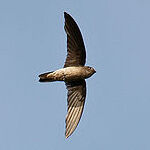
SWIFTLET
The swiftlet (Aerodramus fuciphagus) has almost the same physical form as the sriti bird because both of them have the same genus, Colocalia. Its main characteristics are wings that are 12-14 cm wide with very high flying abilities and a hovering style of flight. Swiftlet can salivate, so they are called fuciphagus.
Having brownish-black fur all over the body with a short, box-shaped tail is a physical characteristic of the swiftlet. Swiftlet can only live in places without light and nest in it.
The selling price of swiftlet’s nest is higher than other species, because of the white fiber and texture. There is no admixture of twigs or grass in the nest.
SOIL SWIFTLET
The soil swiftlet (Hirundo javanica / Hirundo vestita) has physical characteristics with wings up to 25 cm wide and brick-red feathers on the chest with black spots.
During the laying period, the soil swiftlet will lay up to 3-4 eggs. Soil swiftlet nests are composed of 5% saliva and 95% soil, so soil swiftlet nests do not have a market price. This swiftlet is very unique because it usually migrates between islands and continents. Ordinary soil swiftlet live in colonies in the light and in the corner of the terrace of the house.
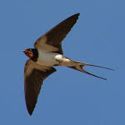
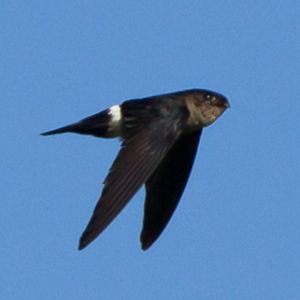
GIGAS SWIFTLET
The Gigas Swiftlet (Collocalia gigas) has the physical characteristics of a wingspan of up to 25 cm with black-gray fur and white tufts.
During the laying period, the Gigas Swiftlet produces up to 4-6 eggs. Gigas Swiftlet nests consist of 10% saliva and 90% air material with thick and wide nest sizes. This nest has no market price because its saliva cannot be consumed, but some people buy it cheaply.
Gigas Swiftlet fly in groups and make a distinctive loud sound. They live in colonies in bright places, such as crossroads or the corner of a house terrace. The temperature that this bird likes is around 28-32 degrees Celsius with low humidity. The Gigas Swiftlet is able to fly faster than the swallow and is not a threat to the Swiftlet.
SRITI BIRD
The Seriti bird (Collocalia esculenta) can be found in Asian countries such as Indonesia, the Philippines, Thailand, Malaysia, Papua New Guinea and the Solomon Islands. Its physical characteristics are gray-black and white on the chest and its wingspan is 10 cm.
Habitat in the highlands and live in groups when flying, but not regularly. Seriti birds only fly around the land and rivers and around big and tall trees to find food.
The composition of the nest consists of 30% saliva and 70% pine leaves. The shape of the nest is irregular, made of a mixture of moss and grass glued together with saliva. It can usually be found in bright cave openings or corners of buildings.
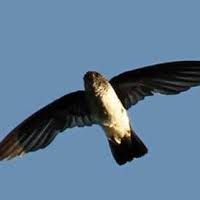
SWIFTLET BIRD HABITAT
The habitat of living things is where various types of living organisms carry out their lives. An ecosystem consists of several different habitats, such as waters, land, forests or rice fields. The term habitat can also mean a place to live or a place to inhabit the entire population or community of living things in an ecosystem. This also applies to swiftlet, where swiftlet have macro habitats and micro habitats. What’s the explanation? see the article below!
MACRO HABITAT
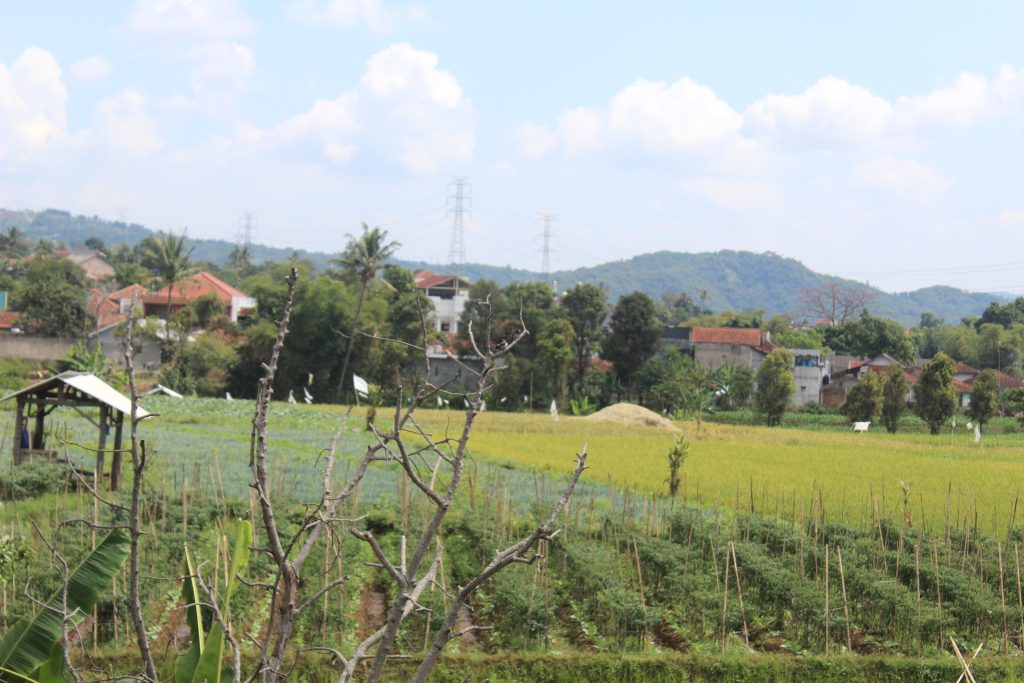
Macro habitats are global habitats with general and broad environmental conditions, such as deserts, beaches, tropical rain forests, and so on. In world swiftleting, the swiftlet’s macro habitat is viewed from the geographical and ecological conditions of the surrounding environment.
Swiftlet have a wild character so they cannot be kept intact. Swiftlet will settle down and maintain a location for breeding. But for the children, they did a comparison in another location so there is a possibility that before the mating period he could move to another location.
There are four main scopes in the swiftlet’s macro habitat, including:
- Plant Factors (the existence of plants is very necessary for the swiftlet ecosystem, for example like a cave which is the natural habitat of swiftlets. When you want to build a swiftlet house, the factor of the presence of plants must also be considered. At least don’t choose a location that has no plants within a 5- 10km).
Air Factor (swiftlet cannot survive if the environment has polluted air, so the rice field area is not necessarily safe. Some rice fields use pesticides to repel insects which will later be consumed and impact on the health of swiftlets). - Water factor (there are several locations that have different rainfall. Differences in rainfall affect changes in the swiftlet’s nest harvest period. Areas with high rainfall produce more harvests with good quality, which is about more than six harvests a year. If it’s the other way around, then maximum harvest only six times a year).
- Feed factor (swiftlets like insects such as moths, leafhoppers, to mrutu which have different water content. Feed can affect the nests produced. Insects with a lot of water content will affect the intensity of the swiftlet’s saliva).
MICRO HABITAT
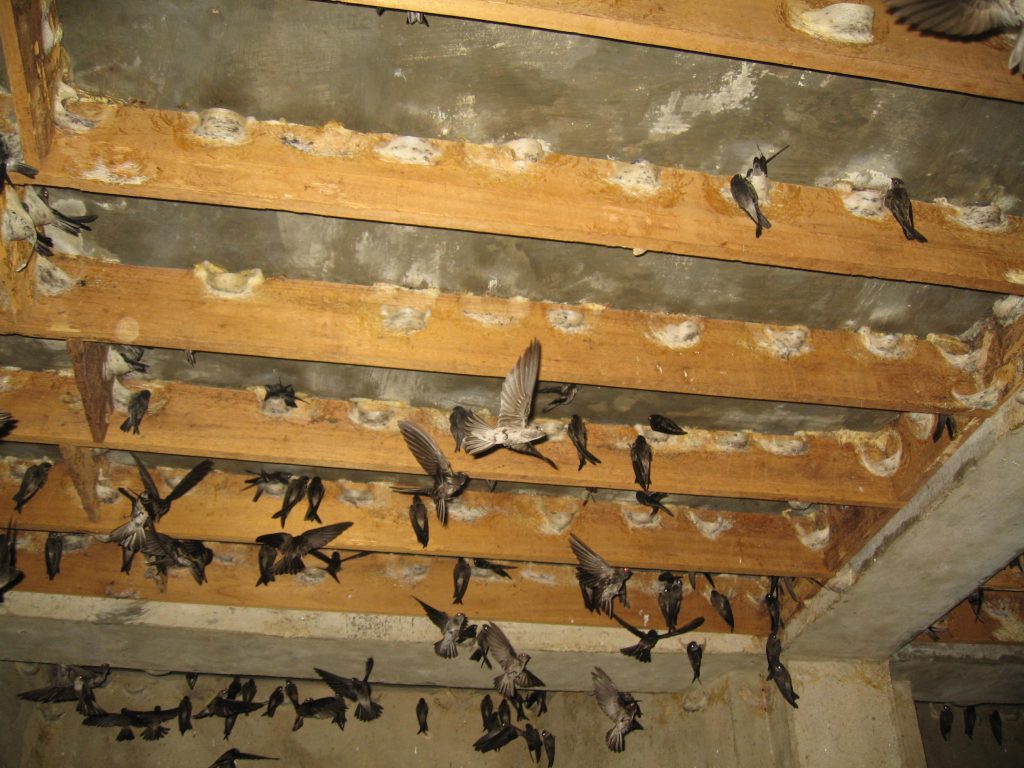
Microhabitat is a place where living things live and settle down, so it is directly related to the internal conditions of the swiftlet’s house.
Swiftlet in their natural habitat live in caves, so swiftlets like places where conditions are dark, damp, and the temperature is normal to cold. At present, the swiftlet house has been adapted to the natural manipulation of the swiftlet’s microhabitat. Before making a swiftlet house, it is necessary to confirm whether it is in accordance with its natural habitat so that the swiftlet feels comfortable and obtains maximum yields.
There are three main scopes of the swiftlet microhabitat, including:
- Factors of the Physical Conditions of the Building (duplication of the physical conditions in the swiftlet house building. There are many things that must be considered such as how the swiftlet lives in the cave, the thickness of the cave walls, the material on the roof of the cave, the lowest part of the cave, the entrance and exit of the cave, etc. All of that is implemented in a simple swiftlet house with all aspects of swiftlet life).
- Physical Condition Factors (mechanical and physical conditions make the atmosphere of the swiftlet’s house like its natural habitat. What is the humidity and temperature inside the cave, how is the smell from the cave, is the light intensity sufficient, and what sounds are usually heard and reflected in the cave are things that play an important role in this factor. Analyzing physical factors will have an influence on subconcious swiftlets so that the yields obtained are more optimal).
- Room Arrangement Condition Factors (setting the roving area pattern, roving room pattern, and resting room. Roving area is where the swiftlet flies around before entering the swiftlet’s house. Roving room is where the swiftlet flies around in the room. Then Resting room is the place swiftlets settle and make swiftlet nests. These patterns are adapted to their natural habitat based on supportive aspects).

TernakWalet is a site under the auspices of PT Lentera Alam Nusantara which contains activities related to swiftlet farming. Besides that, there are other services that you can get through this site.
Get in Touch
- Gubeng Kertajaya V D No. 20, Surabaya City
- 0877 2526 0196
- sales@markaswalet.com