CULTIVATION PROCESS
Potential Location for Swiftlet House
Swiftlet never flies in a location that is not a swiftlet’s flight path, so the location of cultivation is also a very important thing to consider when someone wants to build a swiftlet house. Nearly 70% of the swiftlet houses do not produce nests, instead, many swiftlet nests are found in residential areas where there are no swiftlet houses in the area. Why did it happen? there are several possibilities such as the swiftlet population in the area is very large. Usually the area is considered to have sufficient natural food availability, ideal altitude, low pollution and noise levels, and free from natural predators. Areas like that are suitable for building swiftlet houses.
As for some places that are suitable for the construction of swiftlet houses as follows:
Fertile agricultural land with a good irrigation system and no use of pesticides.
Swamps and streams.
Lowland to an altitude of 600 m above sea level.
Pollution free area.
Quiet area and not noisy.
Areas that are not inhabited by swiftlet predators or predators.
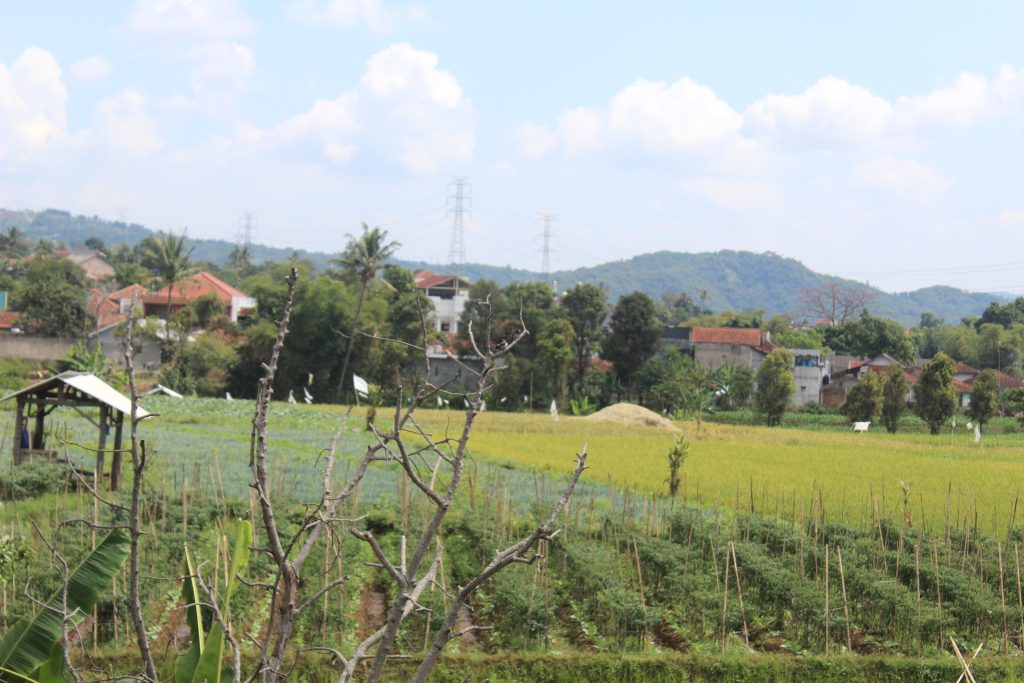
When determining the location of the swiftlet construction, conduct a survey of its whereabouts using a CD containing the sound of the swiftlet which is played using an audio player and connected to a tweeter that is tied to a piece of wood measuring less than 2.5 meters. Surveys can be conducted at 09.00 am, 12.00 noon and 15.00 in the afternoon. This aims to find out whether the area has a large population of swallows or vice versa. If there are more than 50 swiftlets coming towards the source of the sound, then it can be ascertained that the location is a flight route and has a large population of swallows so that it has strategic value to build a swiftlet house.
Equipment for Building a Swiftlet House
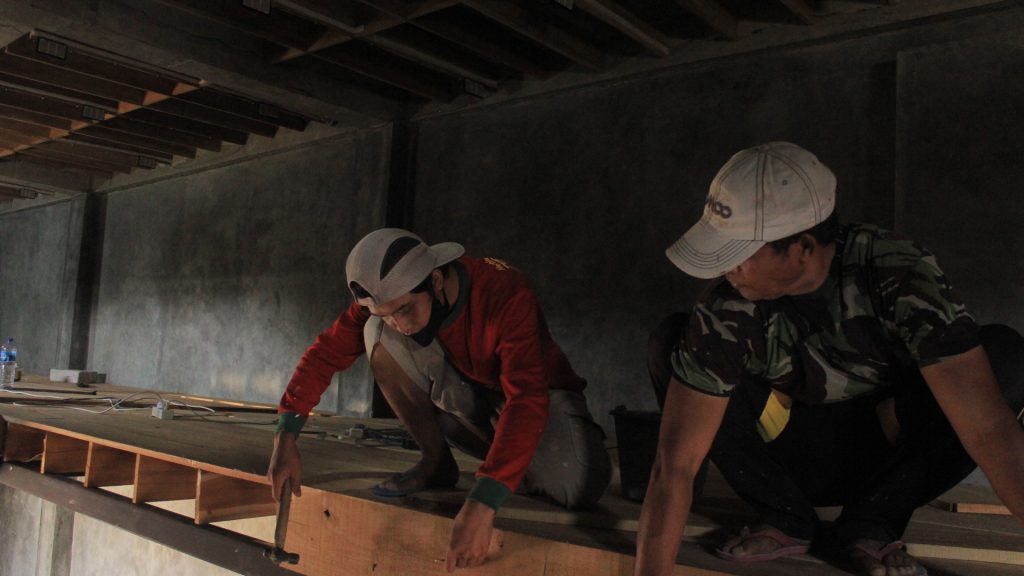
The first equipment is the foundation of the swiftlet’s house. Usually the materials used are not much different from building materials to make a house. However, the type and type is determined by the desire of the swiftlet house owner, the availability of materials, and the costs incurred. When using construction materials in the form of concrete, the materials needed include cement, stone, sand, iron, bricks, bricks, zinc, tiles, nails, and wire. If the construction material is in the form of non-concrete material, the main material needed is wood or organic materials.
The second equipment is fins or strips. What is fin or strip? Swiftlet usually like to stick their nails on the walls of buildings, so they need to install wood that is arranged to stand like a wall. The arrangement of the boards on the ceiling is called the fin or strip.
Usually the fins or strips are made of certain types of boards such as bantangor wood or coconut planks which are preferred by swiftlets. In addition, there are also fins or strips made of aluminum, fiberglass, or cement.
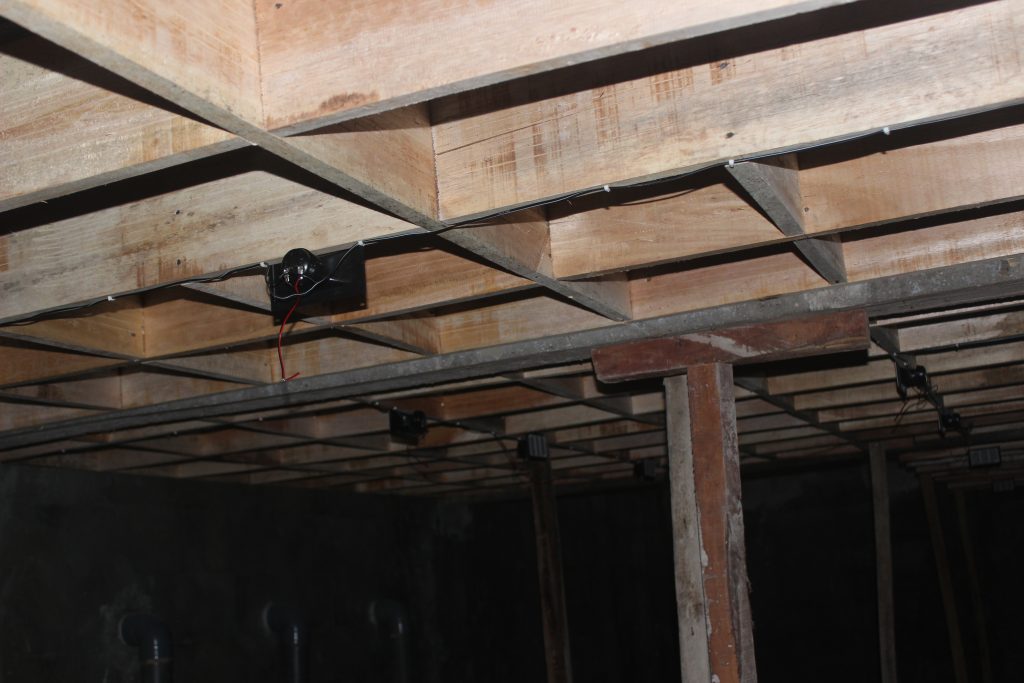
The third equipment is a sound system or sound system used in swiftlet cultivation. Swiftlet are creatures that are responsive to swiftlet sounds, so to lure swiftlets, you need a recording of swallow sounds on a CD. Until now, there are around 100 types of swiftlet sounds in circulation, where each sound has different specifications. Usually what is circulating in the market is the sound of young swiftlets, the sound of mating swiftlets, the sound of lustful swiftlets, to the sound of swiftlets based on the location of their designation.
The swiftlet fishing process takes about six months or even more. If you want to speed up the fishing process, you can use local swiftlet sound recordings. But you need to be careful because currently there are many fake swiftlet voices circulating or even recordings of swiftlet sounds that are experiencing stress which can cause a slow swiftletng process.

Efforts that can be made by swiftlet cultivation entrepreneurs to increase production results are:
(1) Lure the swiftlets to occupy the swiftlet’s house and nest in it by playing a CD that contains recordings of the swiftlet’s or seriti’s voice. Swiftlet cultivation entrepreneurs can also improve the condition of the swiftlet house so that the swiftlets settle there.
(2) Expand the fins or strips to offset the increase in the population in the swiftlet house so that the capacity is greater.
The last equipment is electricity which is an important part and is the main consideration when building a swiftlet house because it is a very vital need. The equipment used to summon swiftlets definitely requires electricity to operate it, but if at the swiftlet cultivation location there is no PLN electricity network you can use a generator engine, battery, or solar power generator (PLTS) as the driving force. Of course, a situation like this will increase operational costs.
Design for Swiftlet House Conditions
The first thing to note is setting the room temperature conditions in the swiftlet house. The temperature inside should be around 26 to 28 degrees Celsius according to the cave temperature in general. So it is necessary to cover the places that can be a source of heat entry such as roofs, attics, and walls. On the roof should be made air ventilation as high as 20 cm with the attic so that hot air from the roof will come out through the ventilation.
The attic must be made of boards to minimize heat and also be cheap. The boards used are dry boards whose moisture content is close to zero. In addition, install styrofoam that has been painted black in the deck cavity to prevent sunlight from entering. Then on the walls also used styrofoam which was affixed from the outside with the help of plaster paint and glue, mixed thoroughly. To make it easier, cut the styrofoam to the size of a ceramic tile with a size of 30×40 cm.
The next second thing is to set the ideal humidity for the swiftlet’s house air from 84 to 95 percent. Several ways can be done, such as placing a basin or bucket filled with water evenly to help evaporation. Apart from that, you can also make a certain number of air vents measuring 12 x 12 cm on the inside using boards, styrofoam, gutters, or PVC pipes with a distance of 1 meter or more between the vents as needed. Keep in mind that do not install too much ventilation because it can make the temperature rise.
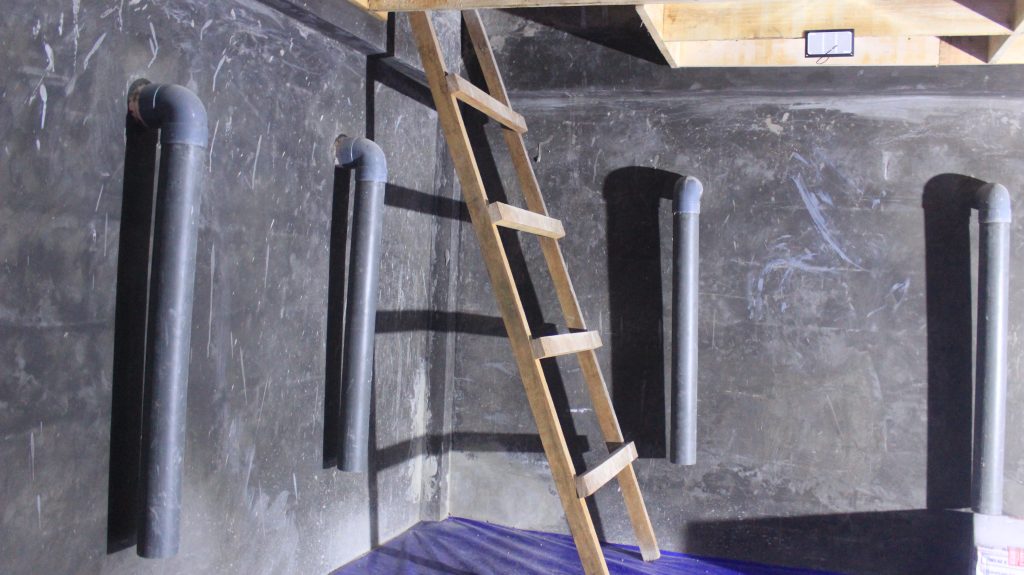
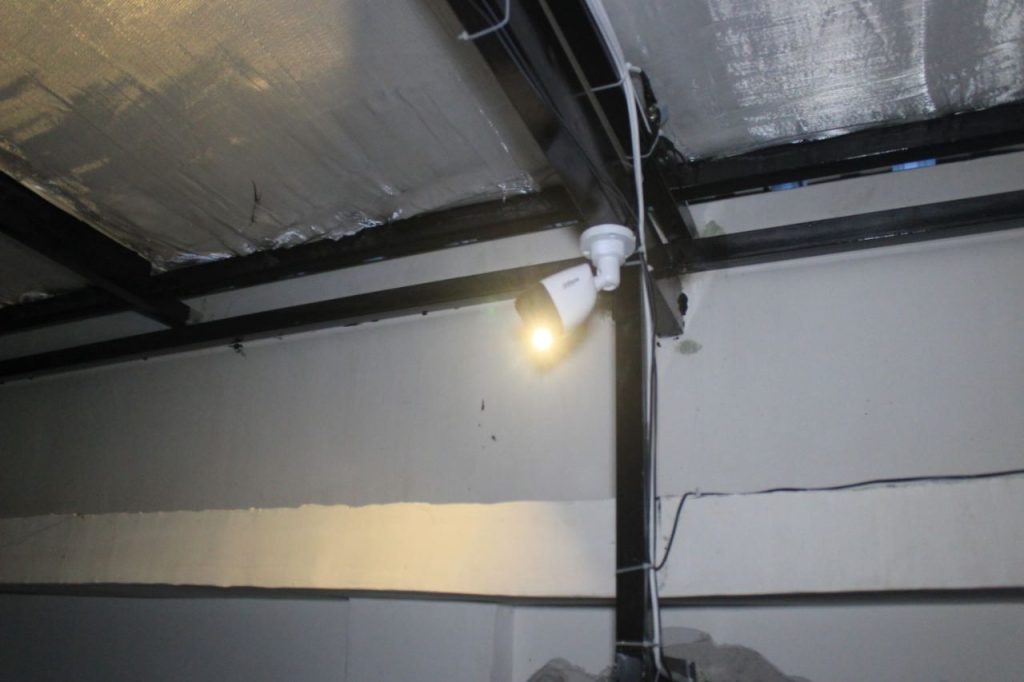
The last is setting the intensity of light in the swiftlet house. Ideally the light needed in a swiftlet house is around 0.02 lux and can be measured using a special light meter in the form of a luxmeter. Essentially the conditions around the dark strips or fins.
The lighting in the swiftlet house is closely related to the position of the swallow’s entrance. That’s why the function of the partition is so that the light from the entrance can be reflected back. The partition is made using black painted plywood with a minimum distance of 1-1.5 meters from the entrance.
Swiftlets don’t like rooms that are too dark without light. In one case, there was a case where one floor of a swiftlet’s house was not inhabited by swiftlets for four years, while the floor of another room was full of swiftlets. After investigation, it turned out that the floor was very dark compared to the other floors, so that after installing a 5 watt lamp in the room, all the floors of the swiftlet house are now inhabited by swiftlets.

TernakWalet is a site under the auspices of PT Lentera Alam Nusantara which contains activities related to swiftlet cultivation. Besides that, there are other services that you can get through this site.
Get in Touch
- Gubeng Kertajaya V D No. 20, Surabaya City
- 0877 2526 0196
- sales@markaswalet.com